
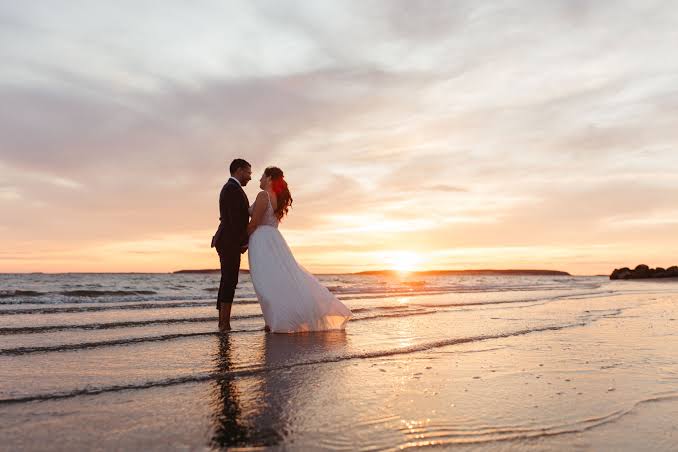
Your wedding day will pass in a blur. Hours of planning compress into a handful of unforgettable moments, and photographs are how you hold onto them. Planning your photography coverage carefully ensures that nothing important slips away.
Start With Your Timeline
The first step is mapping your day. Photographers need to know when key events occur: getting ready, the first look, the ceremony, portraits, the reception, and the send-off. Share this timeline early so your photographer can recommend how many hours of coverage you actually need. Looking for a wedding photographer Cape Cod call Kelly Dillon Photography.
A common mistake is booking too few hours. If your photographer leaves before the cake cutting or the dances, you lose some of the day’s most emotional moments. Most full-day weddings benefit from eight to ten hours of coverage.
Getting Ready Moments
Pre-ceremony photos capture a quieter side of the day: hands steadying a veil, a father seeing his daughter for the first time in her gown, friends laughing over last-minute nerves. If you want these, schedule your photographer to arrive about an hour before hair and makeup finish. Details such as rings, shoes, invitations, and flowers are easiest to photograph in a calm, well-lit space, so set them aside in advance.
The First Look Decision
Many couples now choose a first look, a private moment before the ceremony where they see each other for the first time. It offers several advantages: relaxed portraits, more time with guests afterward, and an intimate reaction that’s easier to photograph without an audience. If tradition matters to you, waiting until the aisle is equally valid. Either way, tell your photographer so they can position themselves well.
Ceremony Coverage
Ceremonies usually move quickly and can’t be repeated, so they require careful positioning. Talk with your officiant and venue about where photographers may stand and whether flash is permitted. Two photographers are often worth the investment here, since one can capture the couple while the other photographs guest reactions and the wider scene.
Portraits and Family Photos
Set aside time for couple portraits, wedding party photos, and family groupings. Prepare a written list of family combinations and assign a relative to help gather people. This keeps formal photos brisk, often under thirty minutes, so you can rejoin your cocktail hour.
Reception Highlights
Reception coverage should include the entrance, toasts, first dance, parent dances, cake cutting, and candid dance floor energy. Ask whether your photographer will stay through the bouquet toss or the grand exit if you plan one.
Light and Location
Sunset is a favorite time for portraits thanks to soft, golden light. If your ceremony is in the afternoon, plan a brief portrait session near sunset, even if it means stepping away from the reception for ten minutes. Your photographer will know the best spots at your venue.
Communicate Your Priorities
The best preparation is conversation. Tell your photographer which moments matter most to you, which relatives need special attention, and any sensitivities such as family dynamics or camera shyness. A good photographer will welcome this guidance.
Final Thoughts
Great wedding photography is part artistry and part logistics. By building a realistic timeline, choosing the right hours of coverage, and communicating clearly, you give your photographer the foundation to capture your day beautifully. The result is an album of memories that grows more precious with every passing year.
