
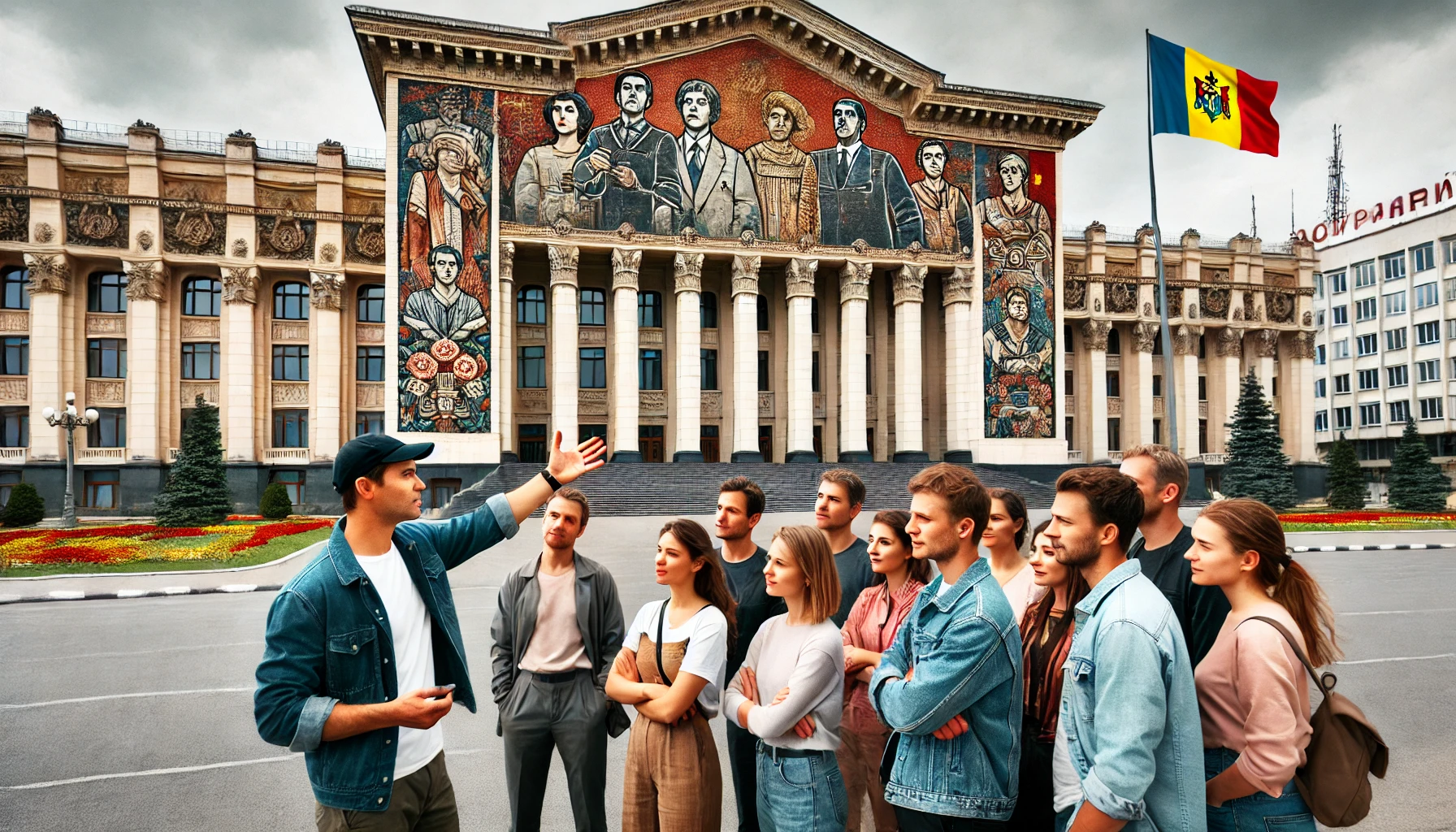
Chișinău, Moldova’s capital, is a city that wears its history on its sleeves. With layers of Tsarist past, Soviet influence, and a resilient contemporary identity, Chișinău is a destination that requires more than just a superficial glance. To truly understand the city, its architecture, and its people, there’s no better way than embarking on a private guided tours moldova. A guided walking tour in Chișinău, Moldova offers an immersive, intimate experience that allows you to connect with the city in a deeper, more meaningful way. In just four hours, a local guide will help you piece together the story of Chișinău—from the glories of empire to the struggles under Soviet rule, and the vibrant Moldova we see today. Here’s a detailed guide on what to expect during this unforgettable walking tour.
The Starting Point: Grand Ambitions & Hidden Sorrows
The tour typically begins at the Chișinău Railway Station, a location that symbolizes both transition and movement in Moldova’s history. Far more than a simple transport hub, the station has witnessed profound historical events, from the grand promises of Soviet progress to the grim reality of mass deportations during the Stalinist era. This is where your guide will introduce the central theme of the tour: examining the stark contrasts between the lofty narratives of the Soviet regime and the personal struggles of its citizens.
As the journey begins, your guide will outline the historical significance of this area. Chișinău Railway Station was more than just a gateway for travelers—it was also a staging ground for some of the darkest chapters in Moldova’s history, notably the Soviet deportations to Siberia. Here, you’ll hear stories of families torn apart, lives disrupted, and the toll that political purges, artificial famines, and forced displacements had on the Moldovan people. These personal accounts, shared by your knowledgeable guide, offer a sobering and emotional start to the tour, setting the stage for the historical context that will follow.
The Deportations Monument: A Somber Tribute
A short walk leads to one of Chișinău’s most poignant and reflective landmarks: the Deportations Monument, often referred to as the “Train of Pain” or the Monument to the Victims of Stalinist Repressions. The monument stands as a powerful reminder of the 1940s and 50s, a period marked by political purges, forced labor camps, and mass deportations orchestrated by Stalin’s regime.
Standing in front of the solemn bronze sculptures that make up the monument, your guide will recount the harrowing history of these deportations, personalizing the immense human cost of the Soviet experiment. You’ll hear about how thousands of Moldovans were forcibly relocated, often in cattle trains, to the Siberian wilderness. This site offers a deeply emotional and powerful moment for reflection, underscoring the immense struggles of those who lived through these dark times.
The Soviet Cityscape: Architecture as Ideology
As you move away from the monument and into Chișinău’s central districts, the tour shifts from a personal narrative to a visual exploration of the city’s Soviet-era architecture. The buildings of Chișinău serve as a silent testament to the ambitions and contradictions of the Soviet Union. Your guide will provide a detailed commentary as you stroll along the broad boulevards and grand squares that were once designed for military parades, state gatherings, and collective celebrations of Soviet power.
You’ll explore the different architectural styles that defined Soviet Chișinău, each representing a different chapter in the city’s history. These architectural styles include:
Stalinist Empire Style:
The first stop in your urban exploration often includes iconic examples of Stalinist Empire Style, which was characterized by imposing, ornamented facades. Buildings like the former Council of Ministers showcase this style, which was meant to communicate strength, authority, and Soviet pride. Your guide will provide insights into how this architectural grandeur was used to embody Soviet power and ideology.
Soviet Modernism:
As you move deeper into the city, you’ll encounter the more utilitarian and functional Soviet Modernism style, which emerged in the post-Stalin era. Here, the focus was on practicality and efficiency, but these buildings are often stark and uninviting. The Brezhnev-era housing blocks and public buildings exemplify the failure of the Soviet dream—large, gray structures that were often hastily built and poorly maintained.
Your guide will explain the concept of microraion (micro-districts)—neighborhoods built with a strict adherence to Soviet efficiency and organization, often with little regard for comfort. The reality of life in these state-allocated apartments was one of chronic shortages, communal living, and, often, a deep sense of isolation. Despite these hardships, there was also a surprising sense of community among residents, and your guide will discuss the ways in which Moldovans found ways to thrive within the constraints of Soviet life.

Soviet Mosaics: Ideology in Art
One of the most striking features of Soviet-era architecture in Chișinău are the Soviet mosaics that adorn many buildings. These massive, colorful mosaics were not mere decoration; they were powerful tools of propaganda designed to broadcast the Soviet ideal. Throughout the city, you’ll encounter mosaics that depict glorified workers, triumphant cosmonauts, and ethnic harmony, all aimed at promoting the myth of a unified, progressing society.
Your guide will help you decode these works of art, providing insights into the messages they conveyed. You’ll learn how these “street artworks of the USSR” were strategically placed to beautify utilitarian buildings and keep the ideals of the regime in the public consciousness. With your guide’s expertise, you’ll begin to see the mosaics as much more than colorful designs—they’re political statements embedded in everyday life.
Everyday Life & The Shadow Economy
As the tour moves forward, you’ll transition from high-level Soviet ideology to the gritty realities of everyday life in Chișinău. One of the most fascinating stops on this journey is often a local bazaar or second-hand market, where the underground or “shadow” economy flourished under the constraints of the official Soviet system. In these vibrant, chaotic spaces, your guide will explain how Moldova’s underground capitalism—though unofficial—became an integral part of daily life.
You’ll hear about the black market for Levi’s jeans, which became a coveted commodity, and the role of bootlegged rock music in counteracting the monotony of Soviet-approved media. Chewing gum, an item so mundane in the West, was a rare and prized possession in Chișinău, where its presence symbolized the constant tension between Soviet control and the aspirations of the people. These stories are a testament to the ingenuity and resilience of Moldovans living under Soviet rule.
Your guide may also take you to a Soviet-era hotel like the Cosmos or Intourist, now in various states of decay. These hotels were once seen as symbols of prestige and luxury, albeit within the controlled and isolated tourism system of the USSR. They are remnants of an era where Moldova’s tourism was limited and heavily monitored, but they now stand as fascinating monuments to the controlled, yet isolating, experiences of foreign visitors in the Soviet bloc.
Monuments, Memory & The End of an Era
The tour concludes with a look at the collapse of the Soviet system and the tumultuous events leading to Moldova’s independence. Your guide will take you to sites commemorating Moldova’s contributions to Soviet history, such as the World War II Victory Memorial. Here, your guide will explain how Moldova, like other Soviet republics, was forced to adhere to the official narrative of the Soviet victory in the Great Patriotic War. Moldova made enormous sacrifices during the war, losing a higher percentage of its population than nearly any other country. The Victory Memorial serves as a reminder of that sacrifice, though it’s also an example of the Stalinist myth-making machine that sought to control memory and history.
The tour may culminate at the Parliament of Moldova, where your guide will explain the country’s path to independence in 1991. This moment is one of triumph, but also of profound uncertainty, as Moldova navigated the complexities of becoming a sovereign state after the collapse of the Soviet Union.
Finally, you’ll encounter the powerful symbol of a toppled Lenin statue, one of the many Soviet monuments that were removed in the wake of independence. Standing before this empty plinth, you’ll reflect on the rapid dismantling of the Soviet ideology and the complex task of forging a new national identity.
What You Truly Gain: Beyond the Sights
By the end of your private guided walking tour in Chișinău, you will not only have visited the city’s essential landmarks, but you will also have gained an invaluable understanding of Moldova’s history and its people. Here’s what you can expect:
- Context: With a guide, you’ll understand the historical context that shaped Chișinău and Moldova, and how the city’s architecture and monuments speak to different periods of its history.
- Personal Stories: Your guide will weave in personal anecdotes and family histories that make the historical events feel real and tangible, turning the city into a living story.
- Answers: This is not just a sightseeing tour—it’s a conversational experience. You’ll have the opportunity to ask questions about politics, daily life, or the challenges Moldova faces in the post-Soviet era.
- A Local’s Compass: Finally, your guide will provide personalized recommendations for the rest of your stay—whether it’s the best spot for plăcintă (savory Moldovan pies) or the most authentic restaurants to try.
Conclusion: Why a Guided Walking Tour in Chișinău Is a Must-Do
Chișinău is a city of contrasts, where history and ideology collide with everyday life. By embarking on a guided walking tours chisinau moldova, you’ll experience the city through a local’s eyes, connecting the dots between its past and present in a way that no guidebook can provide. The city will no longer feel like a collection of buildings and monuments, but a living story of ambition, endurance, and change. Whether you’re visiting Moldova for the first time or returning to uncover more layers of its history, a private guided tour in Moldova will offer insights, stories, and connections that will deepen your appreciation for this fascinating city.
