
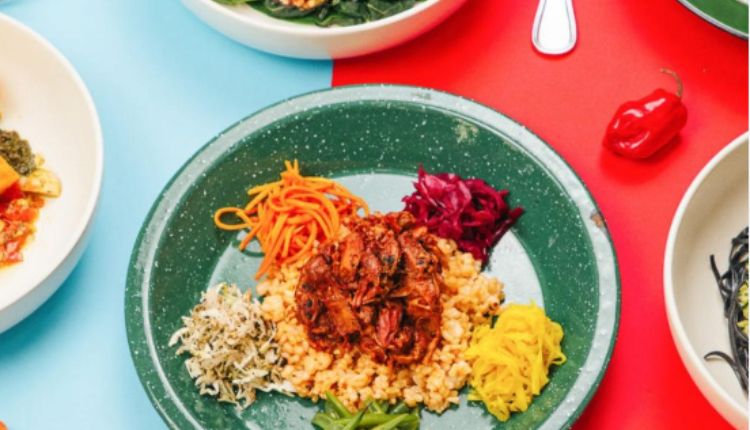
Meal prep can be a great way to save time and avoid going out to restaurants or hitting the drive-thru when you’re busy. But it can also become monotonous if you prep the same meals week after week.
It’s important to cook foods you enjoy and that will taste good reheated. This helps prevent boredom and staleness.
Make a Plan
Meal planning requires you to select and prepare meals in advance. This can reduce stress by eliminating the decision-making around food, which may make it easier to stick to a healthy diet. It also eliminates the temptation to order a pizza or hit the drive-thru on a busy day, and can help ensure you are getting the nutrients your body needs.
The first step in meal prep is to make a plan for the week. Start by assessing your schedule and budget. Take note of the days you will be out for work lunches or dinners with friends, as these are likely times you’ll eat out or use convenience foods. This will give you a better sense of how many meals to prep each week.
On your prep meals day, prioritize preparing foods that are versatile enough to be eaten in several different meals. This includes proteins like chicken and fish; whole grains such as brown rice, quinoa, and farro; beans (canned or dried), and roasted vegetables. It is also a good idea to have staples on hand that can be added to any meal during the week, such as washed greens, hard-boiled eggs, and a container of chopped fruit.
To save time, try using a meal-planning app, such as AnyList, which curates recipes and grocery lists for you. Or, if you prefer to use paper and pen, create a calendar or planner that includes your meal plan for the week.
Buy the Right Ingredients
Food preparation is an excellent way to save money while reducing food waste. Whether you’re planning a week of meals or just a few snacks to keep on hand, it helps to use as much of the food that you already have in your fridge and freezer as possible before purchasing more.
Creating a meal plan can also help you decide what ingredients you need to purchase. This could be anything from additional spices and herbs to low-sodium canned beans, frozen vegetables and chicken sausage. Stocking up on pantry staples like olive oil and quinoa can make preparing meals on a budget even easier.
When you do need to shop for new ingredients, be sure to check the fridge and freezer first before making a shopping list. It can be very frustrating to get halfway through preparing meals and then discover that you’ve run out of an important ingredient.
Another great way to cut down on food waste is by labeling and storing foods in a way that makes it easy to see when they’re due for expiration. This will help you avoid wasting any fresh foods and can make it easy to pull together healthy meals with minimal effort. You can also buy reusable, airtight containers to store your prepped food in, which will keep it fresh and help you cut down on disposable packaging.
Prep a Variety of Meals
Meal prepping can be a great way to make sure you have healthy meals at the ready, so you don’t have to worry about deciding what to eat for breakfast, lunch or dinner. It can also help you stay on track with your health goals and reduce food waste. Plus, it’s an easy way to save money by buying ingredients in bulk and cooking up extra portions to freeze for later.
There are many different meal prep methods, so it’s important to find the one that works best for you and your daily routine. Some people prefer to prepare full meals in advance that can be refrigerated and reheated for mealtimes, while others like to batch cook and freeze specific recipes that they can use in warm or chilled meals. Still others may simply choose to cook certain general food components ahead of time, such as whole grains, roasted vegetables and protein-rich foods, and then add them to a variety of dishes during the week.
Whatever method you choose, it’s important to stick to recipes and meals that you know you will enjoy so that you have the motivation to actually cook and eat them. This will also help you avoid impulsive eating – when you’re tired and hungry, it can be tempting to pop into the supermarket or order a takeaway, but meal prep means you always have nutritious home-cooked options at hand.
Keep It Simple
Meal prep is a great way to make sure that you have healthy meals available for the week but it’s important not to get too carried away with this process. Adding too many recipes can increase your cooking time and lead to frustration and burn out. Try to keep it simple and stick to the foods you know you’ll enjoy.
Start small and aim to meal prep for a few days of the week when you first begin experimenting with this technique. You can always expand your prep routine as you gain confidence and find your groove. When you cook on your prep day, focus first on food items that take the longest to prepare: protein, such as chicken or fish; whole grains like brown rice, quinoa and farro; beans and lentils (canned and dried); and vegetables. You can also prep other staples that can be easily added to a meal during the week, such as washed greens for salads, hardboiled eggs and jarred sauces.
Be sure to plan a variety of meals on your prep day and make extra portions to freeze for future use. Nothing will derail your healthy eating goals faster than a diet that becomes boring and repetitive. When you have fresh and satisfying meals in the fridge, it’s easier to resist the temptation of reaching for a quick ready meal or takeaway
