
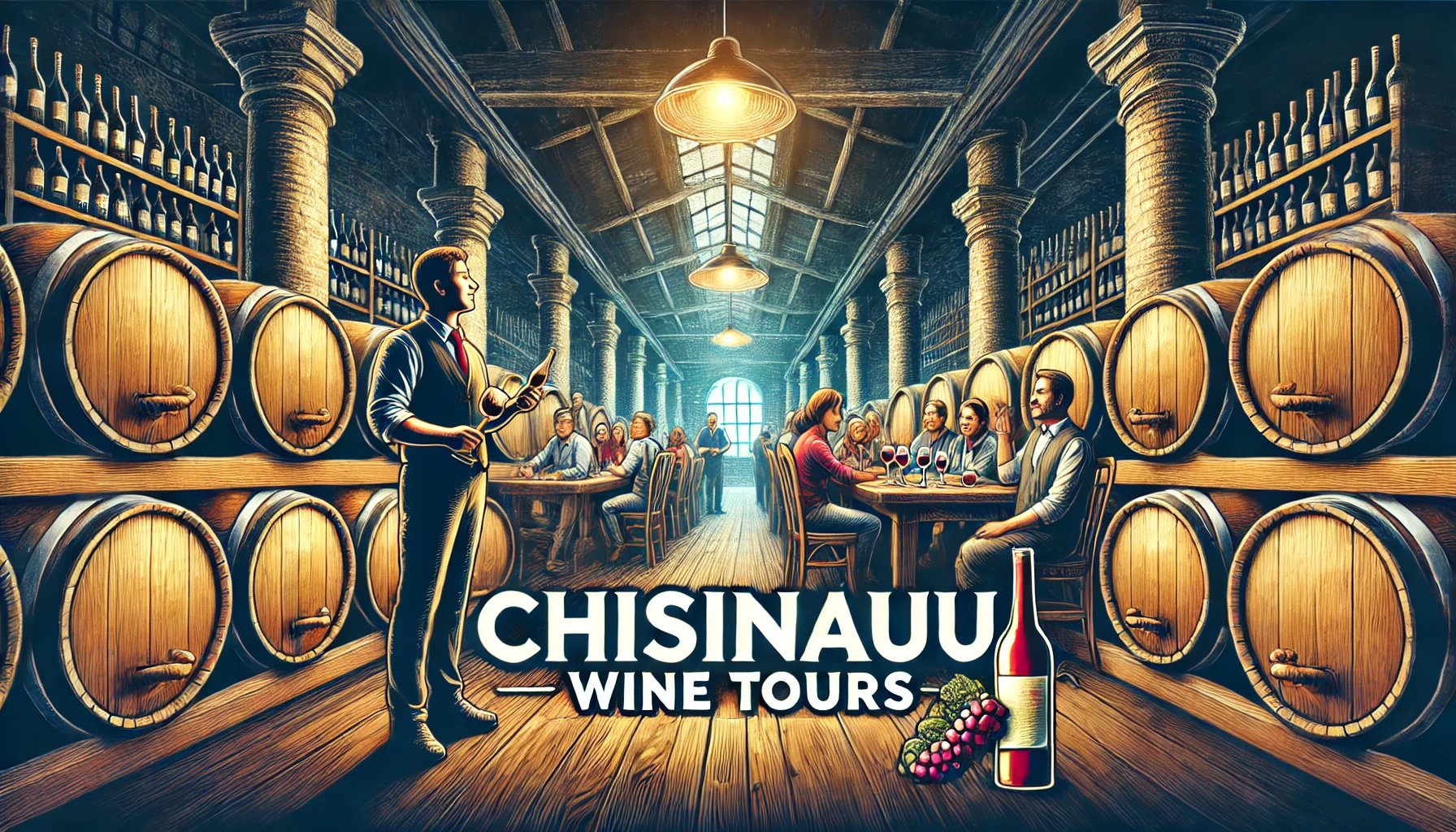
Nestled in the heart of Eastern Europe, between the Carpathian Mountains and the Black Sea, Moldova is a hidden gem for wine lovers and travelers alike. With a winemaking tradition dating back over 5,000 years, this small, landlocked country is home to some of the oldest vineyards in the world. Moldova’s winemaking heritage is not just a cultural hallmark; it is a deeply embedded part of its national identity. Over the centuries, the country’s wine industry has flourished, becoming one of the best-kept secrets of European wine tourism. Today, Moldova stands as one of the rising stars in global wine tourism, offering unique wine-tasting experiences in picturesque settings.
Moldova’s wine tourism scene is not merely about tasting wine; it is an immersive journey into the country’s rich history, stunning landscapes, and vibrant local culture. The capital city of Chisinau, where many wine tours begin, is a gateway for travelers exploring the depths of Moldova’s wine regions. Whether you’re an aficionado of fine wines or simply someone who appreciates authentic travel experiences, Chisinau wine tasting and Chisinau wine tours promise a memorable experience that is hard to find elsewhere.
A Legacy Written in Vineyards
Moldova’s history with winemaking stretches back millennia. Archaeological findings reveal that the cultivation of grapes in this region dates as far back as 2800 BC, long before the rise of the Roman Empire or the medieval kingdoms of Europe. The fertile lands, positioned between the Nistru and Prut rivers, were a crossroads for ancient civilizations, including the Greeks and Romans, who introduced new techniques and grape varieties. Over time, Moldova’s wine culture evolved, blending these influences with local traditions.
In the 15th century, the famed ruler Stephen the Great of Moldova encouraged the production of high-quality wines, which became a source of national pride. The country’s winemaking traditions continued to thrive through the centuries, even through periods of political instability. Today, Moldova is recognized as the 11th largest wine producer in Europe, with more than 148,500 hectares of vineyards. The country’s wines have earned a reputation for their quality, producing everything from crisp whites to bold reds that have gained international acclaim.
The diversity of Moldova’s wine regions is one of its greatest strengths. The Codru region, located in the center of the country, is known for its floral white wines, including varieties such as Chardonnay and Riesling. The Ștefan Vodă region in the southeast, with its rich, iron-laden soils, produces full-bodied reds, including the renowned Negru de Purcari, which once graced the tables of British royalty. The southern Valul lui Traian region, with its proximity to the Black Sea, is another notable area, producing fruity reds that are gaining increasing recognition.
Moldova’s Wine Tourism Boom
The growing popularity of Chisinau wine tasting and Chisinau wine tours can be attributed to several factors. Moldovan wineries have transformed from traditional production facilities into cultural destinations, offering visitors an immersive experience that combines history, architecture, and, of course, wine. Wineries like Cricova, which is home to one of the largest underground wine cellars in the world, have become must-visit spots for tourists. The subterranean wine city, with its 120 kilometers of tunnels, offers a one-of-a-kind experience, allowing guests to explore ancient wine cellars while learning about Moldova’s winemaking traditions.
At Castel Mimi, visitors can experience a blend of history and beauty in the form of a fully restored Belle Époque château. The elegant architecture, manicured gardens, and musical fountains make it a perfect place to sip wine while soaking in the atmosphere. Chateau Purcari, the oldest winery in Moldova, offers a particularly unique experience where guests can sleep overnight in a giant wine barrel, waking up to stunning vineyard sunrises. These immersive experiences are what set Moldova apart from other wine tourism destinations.

Wine Tasting as a Cultural Journey
One of the most unique aspects of Moldova’s wine tours is the deep connection between the vineyards and the local culture. Moldova’s wine tourism experiences go beyond just tasting fine wines. Visitors have the opportunity to immerse themselves in the country’s traditions and way of life. For example, at family-run wineries like Et Cetera in Crocmaz, guests can enjoy wine pairings with traditional Moldovan dishes passed down through generations. Imagine savoring rabbit stew cooked in white wine or marinated trout paired with a glass of Negru de Purcari while being surrounded by the rustic charm of a family estate.
Moldova’s rural villages also offer an authentic taste of local life. In places like Butuceni, guests can partake in traditional lunches served in rustic guesthouses, where they can learn about the customs and culture of Moldova’s rural population. These experiences offer a window into Moldova’s soul, making them an essential part of any wine tour.
Accessibility and Affordability
What makes Moldova’s wine tourism particularly appealing is that it offers world-class wine experiences at a fraction of the cost compared to other European destinations. While Moldovan wines have earned recognition in international wine competitions, such as the Concours Mondial de Bruxelles, the prices of wine tastings remain remarkably affordable. Premium wine-tasting experiences, including exclusive tours and private tastings, are often available for a fraction of what they would cost in Western Europe. This accessibility makes Moldova a top destination for those who want to enjoy high-quality wines without breaking the bank.
The country also hosts several wine-related festivals throughout the year, with National Wine Day being the most significant. Held annually in October in Chisinau, this celebration attracts thousands of international visitors who come to taste wines, attend masterclasses, and experience the local culture through music and performances. The festival has grown over the years and is now considered one of the largest wine-related events in Eastern Europe.
Moldova’s Strategic Transformation
Moldova’s wine tourism boom is not a coincidence. It is the result of a series of strategic efforts by the government and private investors to modernize the country’s wine industry and infrastructure. Following trade challenges in the early 2000s, particularly the Russian import bans, Moldova pivoted toward European markets and focused on improving wine quality. The creation of the national brand “Wine of Moldova—a legend alive” has helped elevate the country’s status on the global wine stage.
The government has invested heavily in modernizing wineries, improving tourist infrastructure, and creating new attractions such as cycling routes that connect vineyards to natural landmarks like Lake Beleu in the UNESCO-listed Lower Prut Biosphere Reserve. This strategic transformation has made Moldova a competitive player in the global wine tourism market.
Conclusion: Moldova as a Wine Tourism Destination
Moldova may be small, but it is undeniably mighty when it comes to wine tourism. With its ancient winemaking heritage, world-class vineyards, stunning landscapes, and rich cultural experiences, Moldova offers a wine tour experience that is truly one of a kind. For travelers looking for something off the beaten path, Chisinau wine tasting and Chisinau wine tours are an excellent choice. Visitors to Moldova are not just tasting wines; they are stepping into a living history, exploring centuries-old vineyards, and connecting with a country that is quickly becoming a global wine tourism destination.
To plan your next wine holiday in Moldova, check out https://moldova-tours.com/wine-tasting-holidays-in-moldova for more information on wine-tasting tours and experiences. Whether you are an experienced wine enthusiast or a casual traveler, Moldova promises to be a destination that will exceed your expectations and offer you a taste of the past and the future of winemaking.
