
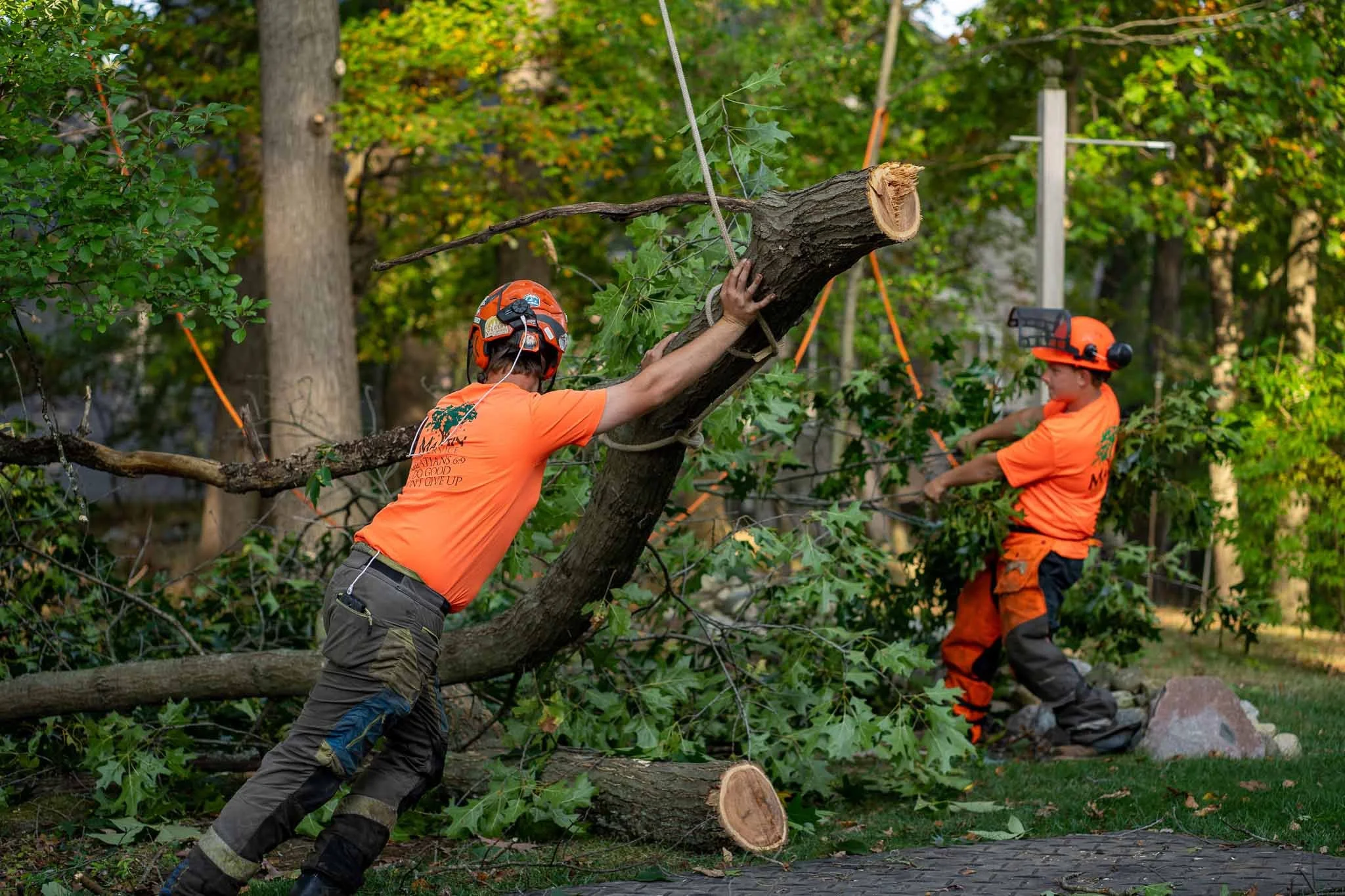
Trees provide many benefits, but there are situations when cutting a tree becomes necessary. A tree may be dead, severely damaged, structurally unstable, or growing in a location that conflicts with construction plans. Professional tree cutting services help property owners manage these situations with careful planning and appropriate safety measures. For tree cutting Lynchburg contact RMZ Tree Service,
When Is Tree Cutting Necessary?
Tree cutting may be considered when a tree has extensive decay, major trunk damage, substantial storm damage, or structural weaknesses that create an unacceptable risk. Trees that interfere with approved construction projects may also require removal.
However, a damaged-looking tree does not always need to be cut down. Some problems can be managed through pruning, monitoring, or other maintenance methods.
A qualified tree care professional can assess the tree and explain whether removal is justified. This evaluation helps property owners make informed decisions instead of removing trees unnecessarily.
The Importance of Professional Tree Cutting
Cutting down a mature tree is more complicated than using a chainsaw to sever its trunk. The tree’s height, weight, lean, branch structure, and surroundings all influence how removal should be performed.
Nearby buildings, vehicles, fences, roads, and utility lines can make the process particularly challenging.
Professional tree cutting teams use suitable equipment and controlled removal methods to manage these risks. In confined spaces, sections may need to be lowered or removed individually rather than allowing the entire tree to fall at once.
Homeowners should not attempt complex tree removal without the necessary training and equipment.
Protecting the Surrounding Property
Before cutting begins, the work area should be evaluated for potential obstacles and hazards. Contractors may establish restricted zones, protect nearby structures, and determine where branches and trunk sections can be safely handled.
Trees near electrical wires require special precautions. Anyone encountering a tree touching or lying near a power line should remain at a safe distance and contact the appropriate utility company.
Professional planning helps reduce the likelihood of accidental damage, although no tree removal operation is completely risk-free.
What Happens After Tree Removal?
Once a tree has been removed, the remaining wood and branches must be managed. Depending on the agreement, the contractor may cut the trunk into manageable sections, chip branches, haul away debris, or leave firewood for the property owner.
The stump may remain unless stump grinding or removal is specifically included.
Stump grinding reduces the stump to wood chips below the surrounding ground level. This can make the area easier to landscape, although additional soil and planting work may still be necessary.
Choosing a Tree Cutting Company
Ask prospective contractors about their experience, insurance, safety procedures, and removal plan. Request a written estimate that explains the work, equipment requirements, cleanup arrangements, and any stump-related services.
You should also check whether local permits or restrictions apply, especially when protected trees or regulated properties are involved.
Conclusion
Professional tree cutting provides a practical solution when a tree needs to be removed for safety, health, or property-management reasons. Careful assessment, experienced crews, and clear service agreements help make the process more organized and protect the surrounding landscape.
