
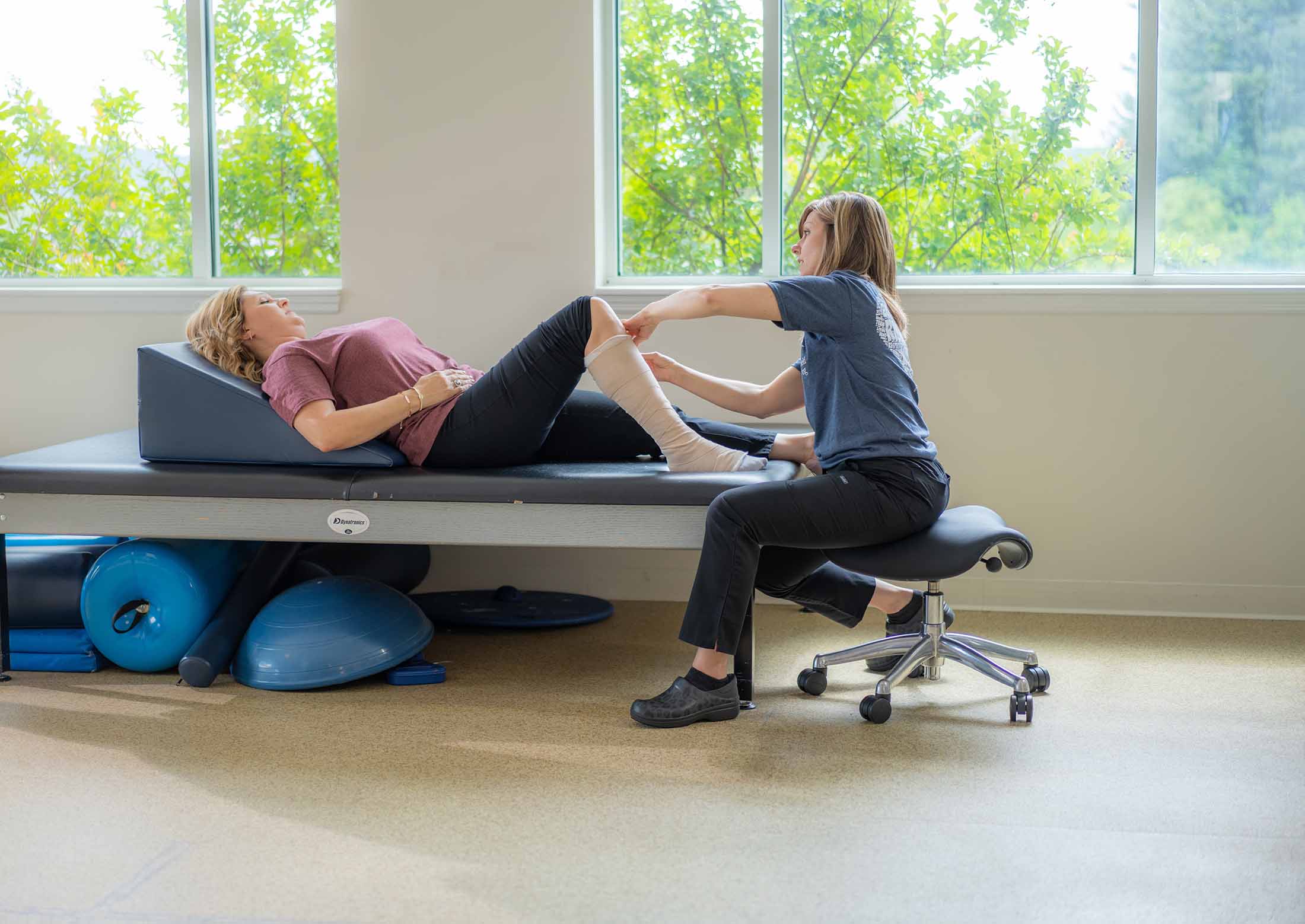
Physical therapy is a healthcare service focused on improving movement, physical function, and participation in everyday activities. It may help people manage pain, recover after injuries or surgery, improve mobility, and address movement difficulties associated with certain health conditions.
Physical therapists assess individual needs and develop treatment plans based on clinical findings, personal goals, and functional abilities. Looking for a physical therapist Roanoke contact Roanoke Rehabilitation & Wellness.
Whether someone is recovering from a sports injury or working to improve balance and mobility, physical therapy can provide structured support.
What Is Physical Therapy?
Physical therapy, also called physiotherapy in many countries, is a healthcare discipline that evaluates and treats problems affecting movement and physical function.
Treatment may involve therapeutic exercise, movement training, manual techniques, education, and selected physical modalities.
The specific approach depends on the patient’s condition, assessment results, medical history, and goals.
Common Reasons People Seek Physical Therapy
Physical therapy may be recommended for various situations, including:
-
Recovery after orthopedic surgery.
-
Sports-related injuries.
-
Back and neck pain.
-
Joint stiffness and mobility limitations.
-
Balance and coordination difficulties.
-
Rehabilitation after certain neurological conditions.
-
Recovery following selected injuries.
-
Improving strength and functional movement.
Treatment suitability varies, and some symptoms require medical evaluation before beginning exercise-based care.
What Happens During a Physical Therapy Assessment?
An initial appointment commonly includes a discussion of symptoms, medical history, activity limitations, and treatment goals.
The therapist may assess posture, joint movement, muscle strength, balance, walking patterns, and functional tasks.
Based on the findings, the therapist develops a plan that may include supervised exercises, home activities, education, and progress reviews.
Common Physical Therapy Techniques
Therapeutic exercise
Exercises may target strength, flexibility, balance, endurance, or movement control.
Manual therapy
Selected hands-on techniques may be used to address mobility limitations or support symptom management.
Gait and balance training
These activities help patients practice walking, coordination, and stability according to their needs.
Postoperative rehabilitation
After certain surgeries, physical therapy may support gradual restoration of movement and functional activity under appropriate medical guidance.
Patient education
Therapists may explain activity modification, movement strategies, pacing, and ways to manage daily tasks.
Benefits of an Individualized Treatment Plan
People experience different symptoms, limitations, and recovery timelines. An individualized plan allows therapy to focus on relevant functional goals.
For example, one person may want to return to recreational exercise, while another may prioritize walking comfortably or completing household activities.
Progress is generally reviewed over time, and treatment may be adjusted based on response and clinical findings.
Choosing a Physical Therapy Clinic
When selecting a clinic, consider therapist qualifications, relevant clinical experience, accessibility, appointment availability, treatment facilities, and communication.
Ask whether the clinic provides services related to your specific concern and whether a referral is required under local healthcare rules or insurance arrangements.
Physical Therapy and Long-Term Movement
Physical therapy may also support ongoing movement and activity management. Patients can learn exercises and strategies that fit their everyday routines.
However, no single treatment guarantees recovery, and results depend on the condition, individual circumstances, treatment plan, and participation.
Conclusion
Physical therapy supports movement, physical function, and rehabilitation through assessment, individualized exercise, education, and other appropriate interventions.
For people experiencing pain, reduced mobility, or recovery challenges, consulting a qualified physical therapist can help clarify available treatment options and establish practical goals for daily life.
