
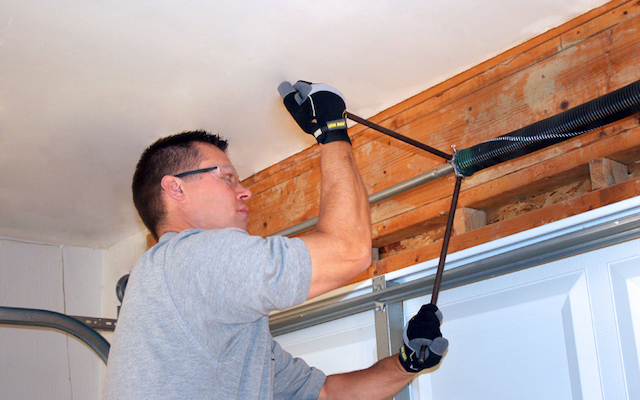
A garage door is an essential part of your home’s security, convenience, and overall appearance. It protects vehicles and stored belongings while providing easy access to your property. However, like any mechanical system, Garage door repair Maricopa AZ can develop problems over time due to regular use, weather conditions, worn components, or a lack of maintenance.
Garage door repair involves diagnosing and fixing problems with garage door springs, cables, rollers, tracks, openers, sensors, and other components. Understanding common garage door issues can help homeowners recognize when professional assistance is necessary and how to maintain their doors for long-term performance.
What Is Garage Door Repair?
Garage door repair is the process of restoring a garage door to safe and reliable working condition. Depending on the problem, repairs may involve adjusting misaligned tracks, replacing damaged rollers, fixing an electrical opener, repairing weather seals, or addressing other mechanical issues.
A professional garage door technician can inspect the entire system, identify the underlying cause of a malfunction, and recommend the appropriate solution.
Timely repairs can help prevent minor issues from becoming expensive problems. They can also reduce safety risks, improve the door’s operation, and extend the life of the garage door system.
Common Garage Door Problems
Garage doors consist of several interconnected components. When one part fails, the entire system may stop working properly. Here are some common problems homeowners experience.
1. Garage Door Won’t Open or Close
One of the most frustrating garage door problems occurs when the door refuses to open or close. The cause may be a dead remote-control battery, a power supply issue, a malfunctioning opener, blocked safety sensors, or a mechanical failure.
Start by checking the power connection and replacing the remote batteries if necessary. Make sure nothing blocks the safety sensors near the bottom of the door. If these simple checks do not solve the problem, a professional inspection may be required.
Avoid forcing the door to move, especially if it appears uneven or unusually heavy.
2. Broken Garage Door Springs
Garage door springs counterbalance the door’s weight, allowing it to open and close smoothly. Over time, repeated cycles can weaken the springs until they break.
Common warning signs include a loud bang from the garage, a door that feels unusually heavy, visible gaps in a torsion spring, or a door that will not lift properly.
Broken garage door springs are dangerous and should be handled by trained professionals. These components operate under significant tension and can cause severe injuries if removed or adjusted incorrectly. Do not attempt a do-it-yourself spring replacement.
3. Damaged or Frayed Garage Door Cables
Garage door cables help support and control the movement of the door. If a cable becomes frayed, loose, or broken, the door may become crooked or jammed.
Cable problems can place additional stress on the springs and other components. Continuing to operate the door may worsen the damage.
If you notice a loose cable or an uneven door, stop using the system and arrange a professional inspection.
4. Garage Door Opener Malfunctions
An automatic garage door opener provides convenient access to your garage. However, problems with the motor, wiring, remote, wall control, or internal components can prevent it from working correctly.
Before requesting a repair, check whether the opener has power, inspect the remote batteries, and verify that the door’s safety sensors are unobstructed.
If the opener makes unusual noises, struggles to lift the door, or operates intermittently, a technician can determine whether the problem requires an adjustment, component replacement, or a new opener.
5. Noisy Garage Door Operation
A garage door that squeaks, rattles, grinds, or vibrates excessively may have worn rollers, loose hardware, dry moving parts, or track alignment issues.
Some routine maintenance may reduce noise, but persistent grinding or loud mechanical sounds can indicate a more serious problem.
A technician can inspect the rollers, hinges, mounting hardware, and tracks to identify the source of the noise. Use only lubricants recommended by the garage door manufacturer, and never loosen hardware connected to high-tension springs or cables.
6. Misaligned or Damaged Tracks
Garage door tracks guide the rollers as the door moves. If a track becomes bent, loose, or misaligned, the door may stick, move unevenly, or come off its track.
A damaged track can also place excessive pressure on the rollers and other components.
Stop operating a door that has come off its tracks. Attempting to force it back into position can cause further damage or injury. Professional repair can restore proper alignment and confirm that the door is securely supported.
When Should You Hire a Professional Garage Door Repair Service?
Although some basic troubleshooting can be completed safely by homeowners, many garage door repairs require specialized tools and technical knowledge.
Consider hiring a professional if:
- The garage door spring is broken or damaged.
- A lifting cable is frayed, loose, or detached.
- The door has come off its tracks.
- The door is crooked, unusually heavy, or difficult to move.
- The opener makes grinding noises or repeatedly stops working.
- Safety sensors or automatic reversing features are malfunctioning.
- The door closes unexpectedly or reverses without an obvious reason.
When choosing a repair company, look for experienced technicians, transparent pricing, appropriate insurance where applicable, and clear information about warranties. Reading recent customer reviews and requesting a written estimate can also help you make an informed decision.
How Much Does Garage Door Repair Cost?
The cost of garage door repair depends on the type of damage, the parts required, the door’s design, and local labor rates.
Minor troubleshooting or adjustments generally cost less than replacing major mechanical components. Spring replacement, cable repair, opener repairs, and track replacement can vary significantly in price.
Before approving a repair, ask the service provider for an itemized estimate covering labor, replacement parts, service-call fees, and any additional charges.
You should also ask whether the repair includes a safety inspection and whether replacement parts are covered by a warranty.
In some cases, replacing an old or extensively damaged garage door may be more economical than repeatedly repairing it. A qualified technician can help you compare the likely costs and benefits of both options.
Garage Door Repair vs. Garage Door Replacement
Not every garage door problem requires a complete replacement. The right decision depends on the door’s age, condition, safety, and repair history.
Garage door repair may be the better option when:
- The damage is limited to one or two components.
- The door panels and supporting structure remain in good condition.
- Replacement parts are readily available.
- The repair is reasonably priced compared with a new installation.
Garage door replacement may be worth considering when:
- The door has extensive structural damage.
- Multiple major components repeatedly fail.
- Replacement parts are difficult to find.
- The door lacks modern safety features or insulation that you need.
- The long-term cost of repairs approaches the cost of replacement.
A professional assessment can help determine which option provides better value and reliability.
Essential Garage Door Maintenance Tips
Regular maintenance can help prevent unexpected breakdowns and improve the performance of your garage door.
Inspect the Door Regularly
Look for visible damage, worn rollers, frayed cables, loose hinges, rust, and deteriorating weather seals. Pay attention to unusual noises or changes in how the door moves.
Never touch or attempt to repair damaged springs and cables.
Keep Tracks Clear
Remove loose dirt and debris from accessible track areas. Do not apply grease indiscriminately to the tracks, as this may attract dirt and interfere with roller movement. Follow the manufacturer’s maintenance recommendations.
Lubricate Appropriate Components
Use a garage-door-compatible lubricant on the components specified by the manufacturer, such as certain hinges, rollers, or spring systems. Avoid lubricating parts that the manufacturer advises keeping dry.
Test Safety Features
Automatic garage doors should have functioning safety sensors and reversing mechanisms. Follow the manufacturer’s instructions for testing these features.
If the door fails a safety test, discontinue automatic operation until the issue is corrected. Never bypass safety sensors or rely on an unsafe door to protect children, pets, or property.
Check Weather Seals
The bottom seal and perimeter weatherstripping help keep rain, dust, insects, and outside air from entering the garage. Replace damaged seals when necessary to improve protection and energy efficiency.
Schedule Professional Inspections
A periodic professional inspection can identify worn parts and developing problems before they lead to a breakdown. The appropriate inspection frequency depends on how often the door is used, its age, and the manufacturer’s recommendations.
Benefits of Timely Garage Door Repair
Prompt garage door repair offers several important benefits.
Improved safety: Correcting mechanical and electrical problems helps reduce the risk of accidents and unexpected door movement.
Better home security: A properly functioning garage door helps protect vehicles, tools, and other belongings from unauthorized access.
Greater convenience: Repairing a faulty opener or damaged component restores dependable access to your garage.
Longer equipment life: Addressing worn parts early may prevent additional strain on the motor, springs, rollers, and tracks.
Improved energy efficiency: Replacing damaged weather seals and addressing gaps can reduce unwanted drafts and help maintain a more comfortable garage environment.
Potential cost savings: Timely repairs can prevent some minor issues from developing into more extensive and expensive failures.
How to Choose the Right Garage Door Repair Company
Selecting a reliable service provider is essential for quality repairs and long-term safety.
Start by checking the company’s experience with your specific garage door type and opener brand. Ask whether its technicians are trained to work with the components that need attention.
Request a detailed estimate before work begins, and confirm whether the quoted price includes parts, labor, and any follow-up service. Ask about warranties and verify that the company carries appropriate insurance and follows relevant local requirements.
A trustworthy technician should explain the problem clearly, discuss available repair options, and avoid recommending unnecessary replacements.
Be cautious of unusually low initial quotes that increase substantially after the technician arrives. Clear communication and written documentation can help protect you from unexpected expenses.
Frequently Asked Questions About Garage Door Repair
How do I know if my garage door needs repair?
Warning signs include unusual noises, slow movement, uneven opening, difficulty closing, damaged cables, broken springs, and an opener that stops working. Address these symptoms promptly to avoid further damage.
Can I repair my garage door myself?
You can perform basic troubleshooting, such as replacing remote batteries, checking the power supply, and removing obstructions from safety sensors. Repairs involving springs, cables, track alignment, or heavy door panels should be handled by trained professionals.
How long does garage door repair take?
Simple adjustments or minor repairs may take less than an hour, while complex repairs or parts replacement can take several hours or longer. The actual duration depends on the problem, parts availability, and door design.
Should I repair or replace my garage door opener?
Repair may be suitable if the opener has a minor fault and the unit remains in good condition. Replacement may make more sense if the motor is failing repeatedly, parts are unavailable, or the unit lacks safety features you require.
How often should a garage door be serviced?
Inspect your door regularly and follow the manufacturer’s maintenance schedule. Professional servicing may be appropriate annually or more frequently for heavily used doors, depending on their condition and usage.
Why does my garage door reverse before closing?
Possible causes include obstructed or misaligned safety sensors, incorrect force or travel settings, physical resistance, or a mechanical problem. Check for visible obstructions, but do not bypass the sensors. If the problem continues, arrange a professional inspection.
Conclusion
Garage door repair is essential for maintaining the safety, convenience, and reliability of your home. From faulty openers and noisy rollers to damaged tracks and broken springs, identifying problems early can help prevent additional damage and unnecessary expenses.
Homeowners can handle simple troubleshooting and routine visual inspections, but high-tension springs, cables, and other hazardous mechanical components require professional attention.
By scheduling appropriate maintenance, addressing warning signs promptly, and choosing a qualified repair company, you can help keep your garage door operating smoothly and securely for years to come.
