
Insomnia treatment aims to address ongoing difficulty with falling asleep, staying asleep, or getting restorative sleep. Many people experience occasional sleepless nights, particularly during periods of stress or change. However, when sleep difficulties continue and affect daytime functioning, a structured approach to treatment may be helpful.
Insomnia Treatment Birmingham understanding the underlying pattern. Sleep problems can have behavioural, psychological, medical, environmental, or lifestyle-related contributors. Identifying these factors is an important part of choosing an appropriate treatment approach.
What Is Insomnia?
Insomnia is a sleep difficulty that may involve one or more of the following:
- Taking a long time to fall asleep
- Waking repeatedly during the night
- Remaining awake for extended periods after waking
- Waking earlier than intended
- Feeling unrefreshed despite spending enough time in bed
The effects of insomnia can continue into the daytime. People may experience tiredness, irritability, reduced concentration, poor motivation, and concerns about their ability to cope with daily responsibilities.
Because the causes and patterns of insomnia can vary, treatment should not always follow a one-size-fits-all model.
Cognitive Behavioural Therapy for Insomnia
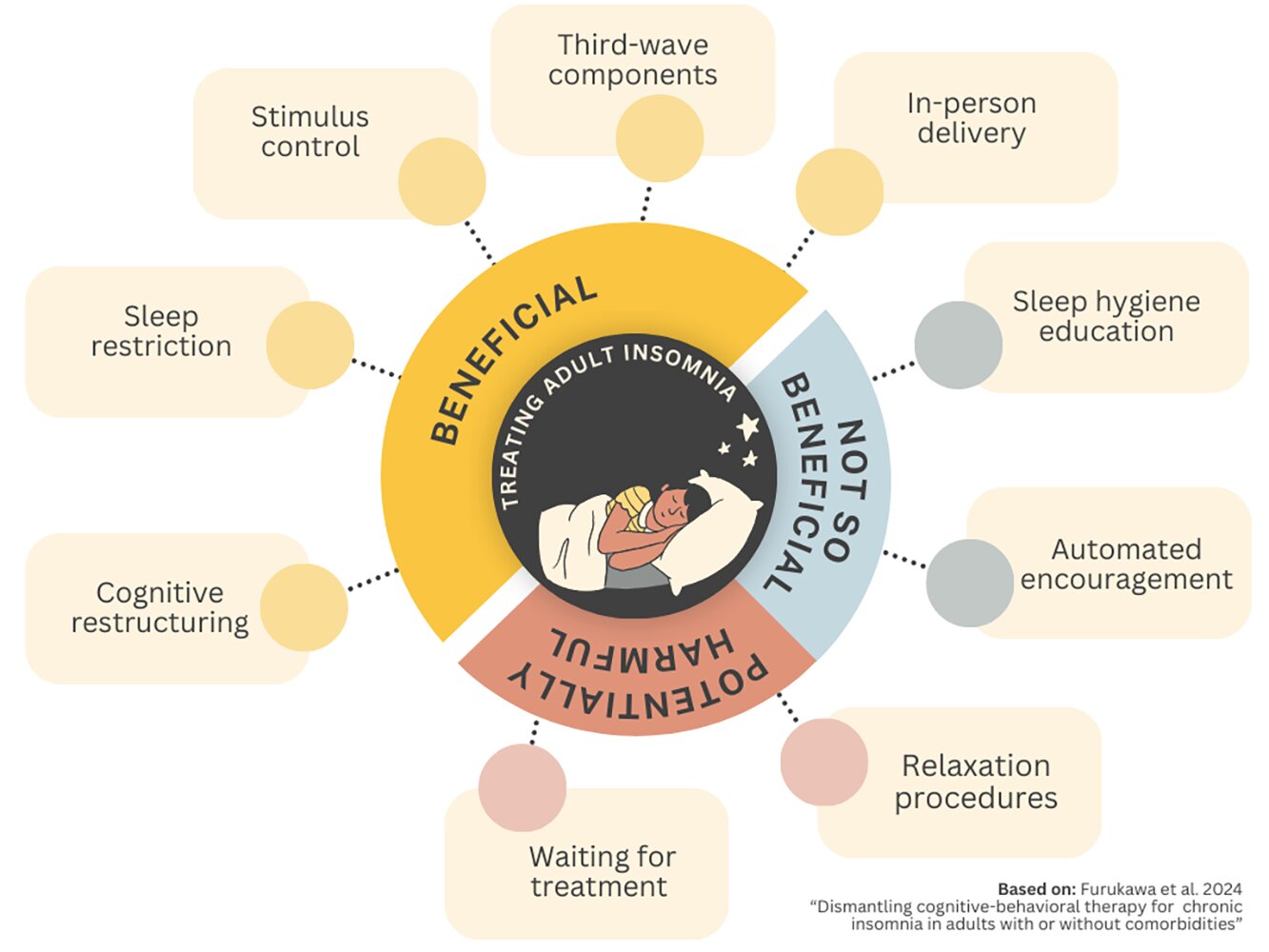
One of the most commonly recommended approaches for persistent insomnia is cognitive behavioural therapy for insomnia (CBT-I).
CBT-I is designed to address the habits and thought patterns that can contribute to ongoing sleep difficulties. Over time, someone with insomnia may begin to associate bedtime with stress and frustration. They may also develop routines intended to improve sleep that unintentionally maintain the problem.
CBT-I may include several components, such as:
Sleep Pattern Assessment
A sleep diary may be used to understand bedtime, wake time, night waking, and daily habits. This information helps identify patterns.
Behavioural Strategies
Treatment may include structured changes designed to strengthen healthy sleep habits and improve the relationship between the bed and sleep.
Cognitive Strategies
These techniques help people identify and manage unhelpful beliefs or excessive worries about sleep. The goal is not to eliminate every thought but to reduce the anxiety that can make sleep more difficult.
Relaxation Techniques
Relaxation and stress-management techniques may be useful for people who experience physical tension or racing thoughts at night.
Lifestyle and Environmental Changes
Sleep can be affected by everyday routines. A healthcare professional may discuss factors such as caffeine use, alcohol, nicotine, exercise, daytime naps, evening screen use, and irregular schedules.
The sleep environment may also matter. Noise, temperature, light, and comfort can influence sleep.
However, simple sleep hygiene advice may not be sufficient for persistent insomnia. Someone can follow many healthy habits and still experience chronic sleep problems. This is why a more structured assessment can be valuable.
When Medication Is Considered
In some circumstances, a doctor may discuss medication as part of an insomnia treatment plan. Medication decisions should be made with an appropriately qualified healthcare professional.
The suitability, benefits, risks, and duration of treatment depend on the individual’s medical history and circumstances. Sleep medication should not be started, changed, or stopped without professional guidance.
Why a Medical Assessment May Be Important
Sometimes insomnia symptoms are related to another condition. Chronic pain, breathing-related sleep problems, medication effects, mental health concerns, hormonal changes, and other medical issues may influence sleep.
This does not mean every person with insomnia has another disorder. However, a proper assessment can help identify whether further investigation is needed.
Seek professional advice when sleep difficulties are persistent, severe, or accompanied by symptoms such as breathing problems during sleep, extreme daytime sleepiness, or significant changes in mental wellbeing.
How Long Does Insomnia Treatment Take?
The timeline varies. Some people notice changes relatively quickly, while others require more time. Behavioural and psychological approaches usually depend on regular practice and consistency.
Sleep also naturally varies from one night to another. Progress is better measured over time rather than by expecting every night to be perfect.
Final Thoughts
Insomnia treatment works best when it addresses the individual rather than focusing only on the number of hours spent asleep. A structured assessment can identify the thoughts, habits, health factors, and routines contributing to persistent sleep problems.
For many people, professional treatment such as CBT-I can provide practical skills for improving sleep over time. If insomnia is affecting your wellbeing or daily life, speaking with a qualified healthcare or sleep professional can be an important first step toward finding the most appropriate treatment.
