
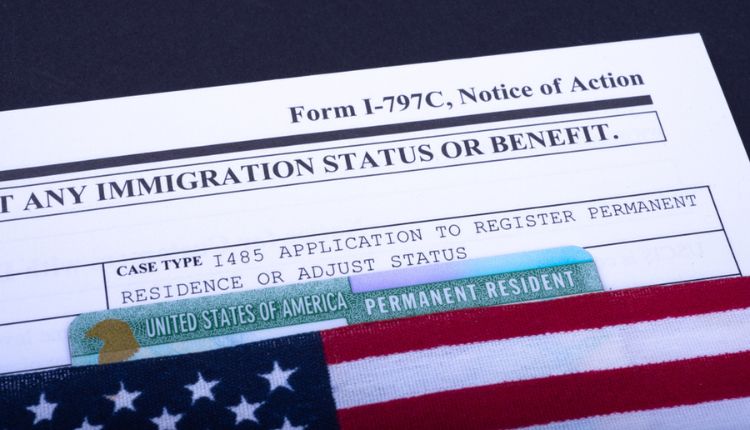
In navigating the intricacies of immigration law, we often encounter the Executive Office for Immigration Review, commonly known as EOIR. This agency operates under the Department of Justice, overseeing immigration courts across the United States. As individuals or legal representatives engage with EOIR, staying updated on the status of immigration cases becomes paramount. This process can be complex, given the volume of cases that the immigration courts handle and the varying stages at which these cases can be.
Our understanding of EOIR case status is vital in ensuring that we remain informed about our legal proceedings. It allows us to track the progression of a case, understand impending deadlines, and prepare for any upcoming court appearances. This system, while essential, can often be difficult to navigate due to the legal jargon and procedural nuances. However, possessing a clear understanding of how to check and interpret the case status greatly improves our ability to navigate the immigration justice system efficiently.
By effectively monitoring our case status with EOIR, we can make well-informed decisions and anticipate the next steps in the immigration process. Whether we’re individuals facing proceedings, or legal practitioners representing clients, accurate and current information about the case status equips us to handle the complexities of immigration court proceedings more confidently. Thus, it’s crucial for us to familiarize ourselves with the ways in which EOIR provides updates on cases, and how to interpret the information we receive.
Understanding EOIR Case Status
We can monitor the status of immigration court cases through the Executive Office for Immigration Review (EOIR) by using various tools provided by the agency. The EOIR’s services are designed to offer accurate updates about case proceedings, hearing dates, and judges’ decisions.
Automated Case Information System
The EOIR operates an Automated Case Information System which is an invaluable resource. This system provides updates on case status and hearing information. By calling 1-800-898-7180, parties can access case information by entering their alien registration number. We recommend taking note of the automated prompts as they guide users through acquiring specific details regarding their case.
Accessing Case Information Online
The EOIR also provides an online portal for accessing case information. This digital service, available at the EOIR Case Status Online page, allows individuals and attorneys to check the status of immigration cases by inputting the appropriate alien registration numbers. Here’s how to use this service effectively:
- Go to the EOIR’s official website.
- Navigate to the Case Status Online link.
- Enter the relevant alien registration number.
This online tool proves particularly useful prior to scheduled hearings, as it offers real-time updates.
Role of Attorneys and Accredited Representatives
Attorneys and accredited representatives play a crucial role in navigating EOIR case statuses. They have the expertise to accurately interpret the information provided by EOIR systems and can offer advice on subsequent legal steps. For individuals in proceedings:
- Attorneysmust be licensed and in good standing with a state bar.
- Accredited representativesmust be approved by the EOIR to provide legal services.
These legal professionals ensure that individuals understand their hearings and any potential decisions impacting their cases. It’s important for us to consult with them for the most comprehensive understanding of one’s case status.
Navigating Immigration Court Proceedings
We understand that navigating immigration court proceedings can be complex. Here, we’ll explore hearing schedules and notices, the operational status of immigration courts, and the process of appeals to the BIA, all of which are crucial for managing your case effectively.
Hearing Schedules and Notices
We keep abreast of hearings by monitoring notices carefully. Hearing schedules are provided by the immigration courts and include the date, time, and location of your appearance. It is crucial to attend all scheduled hearings. If you miss a hearing, it may result in a deportation order. To confirm your schedule or receive your notice, we often check the EOIR automated system or contact the immigration court directly. It’s important to keep your contact information updated with the court to receive all notices.
Operational Status of Immigration Courts
The operational status of immigration courts can change, sometimes with little notice, due to various circumstances such as public health concerns or weather-related issues. We stay informed on the status by visiting the EOIR website or contacting the court directly. Always verify the court’s status before a scheduled hearing to ensure that there have been no last-minute changes.
Appeals to the Board of Immigration Appeals (BIA)
When we must challenge an immigration court’s decision, we file an appeal with the Board of Immigration Appeals (BIA). An appeal must be filed within 30 days of the decision. We take care to submit all necessary documentation in a timely manner and adhere to the BIA’s formatting and filing requirements. Information regarding the appeals process can be found on the EOIR website or through direct contact with the BIA.
