
Introduction:
Islam is a religion of profound spiritual depth, encompassing a diverse community of over a billion people worldwide. Embracing Islam is a significant decision that often arises from a genuine quest for meaning, peace, and understanding. This article aims to provide a comprehensive guide for those seeking to become Muslim, exploring the beliefs, practices, and steps involved in this transformative journey.
Understanding Islam:
Before delving into the process of how to become muslim, it is essential to gain a basic understanding of Islam’s core beliefs and teachings. Islam is a monotheistic faith that asserts the existence of one God, Allah, who is merciful, compassionate, and just. The Quran, considered the final revelation of God, serves as the primary scripture, guiding Muslims in their daily lives and spiritual practices. Additionally, the Hadith, a collection of sayings and actions of Prophet Muhammad (peace be upon him), provides further guidance.
The Seeker’s Journey:
The decision to embrace Islam often emerges from a journey of self-discovery and exploration. Many individuals find themselves drawn to the principles of Islam, such as its emphasis on justice, charity, and community welfare. The journey may involve reading about Islam, speaking with Muslims, attending lectures, and exploring the meaning of life and existence.
Declaring The Shahada:
The formal process of becoming a Muslim begins with the declaration of faith known as the Shahada. This simple yet profound testimony states: “Ashhadu alla ilaha illallah, wa ashhadu anna Muhammadur rasul Allah,” which translates to “I bear witness that there is no god but Allah, and I bear witness that Muhammad is the messenger of Allah.” Uttering this statement sincerely, with conviction, and understanding its implications, marks the entrance into the fold of Islam.
Embracing Prayer (Salah):
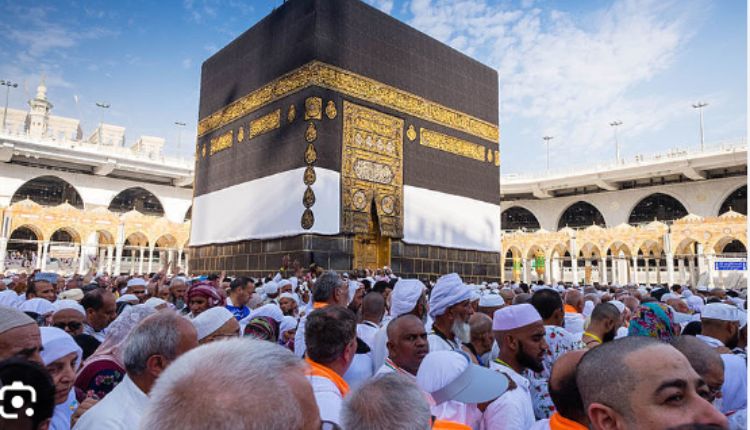
Prayer is a fundamental pillar of Islam and serves as a means of communication with Allah. Upon embracing Islam, one should endeavor to learn the basics of Salah and establish a daily routine of five obligatory prayers, facing the Kaaba in Mecca. Prayer fosters spiritual discipline, mindfulness, and a sense of connectedness with the Creator.
- Embracing Fasting (Sawm): Fasting during the holy month of Ramadan is another essential pillar of Islam. Muslims abstain from food, drink, and other physical needs from sunrise to sunset, focusing on spiritual reflection, self-discipline, and empathy for the less fortunate.
- Giving to Others (Zakat): Zakat is the act of giving to those in need and is obligatory for financially capable Muslims. It serves as a means to purify wealth, promote social equity, and cultivate compassion for others.
- Making the Pilgrimage (Hajj): For those with the means and physical ability, performing Hajj is a once-in-a-lifetime obligation. The pilgrimage to Mecca is a profound experience of unity, humility, and seeking forgiveness.
Conclusion:
Embracing Islam is a deeply personal and transformative journey that begins with sincere introspection and exploration. By declaring the Shahada, a new Muslim formally joins the global Muslim community, where faith, compassion, and community are central. As one continues to learn, practice, and grow, Islam provides a comprehensive framework for a life of purpose, morality, and spiritual fulfillment.
FAQs:
- What if I am uncertain about converting to Islam? Embracing Islam is a decision that requires thoughtful consideration and sincere belief. If you have doubts or uncertainties, take the time to learn more about the faith, speak with knowledgeable Muslims, and seek guidance from scholars or imams. Remember, faith is a personal journey, and it’s essential to find conviction in your heart before making a decision.
- Can I become a Muslim without changing my name or cultural identity? Yes, you can embrace Islam without changing your name or cultural identity. Islam emphasizes the preservation of one’s cultural heritage and identity as long as it does not contradict Islamic principles. Many Muslims around the world retain their pre-Islamic names and cultural practices while adhering to Islamic teachings.
