
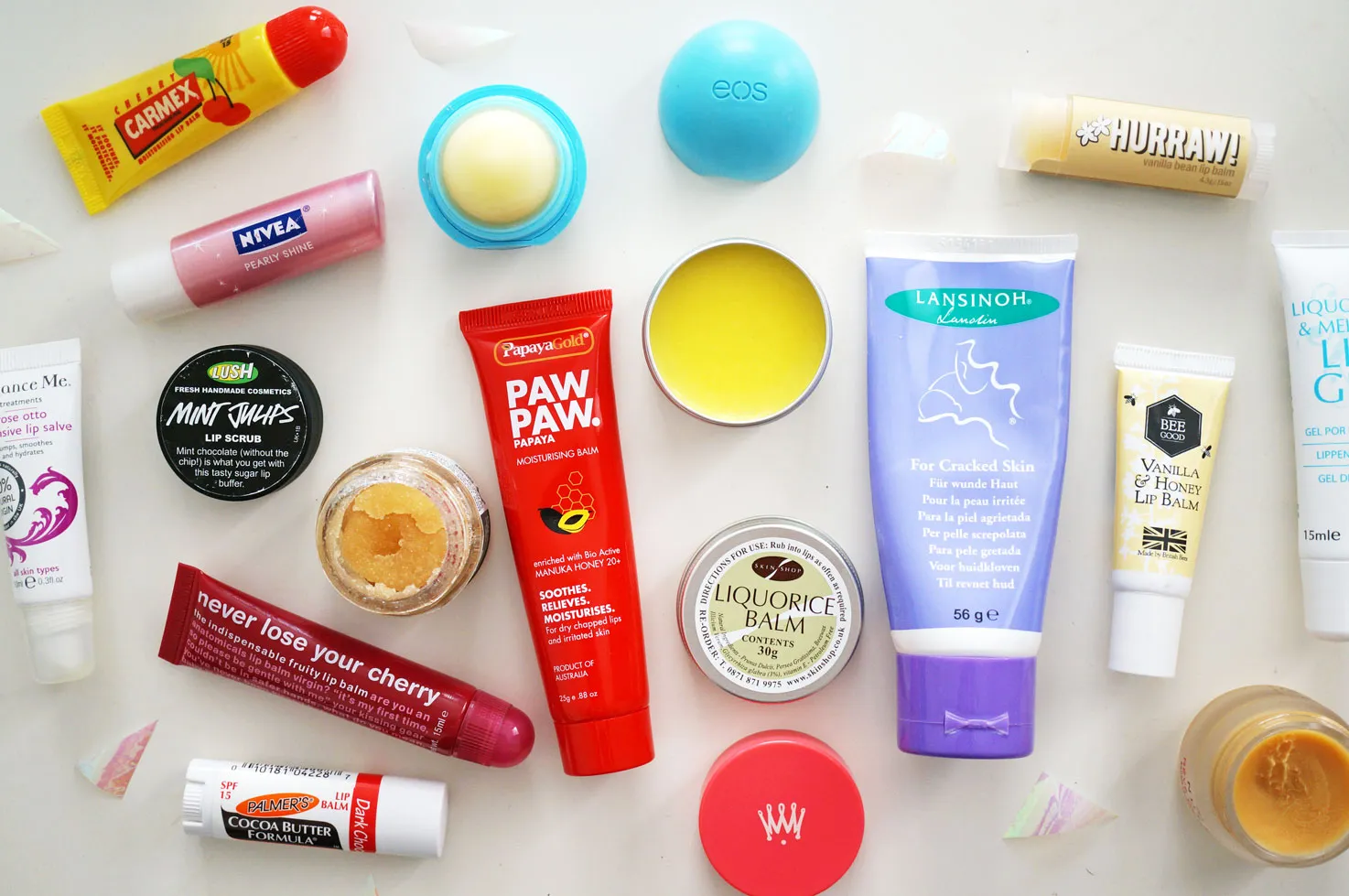
Introduction:
When it comes to lip care, the market is filled with an array of products promising smooth, moisturized lips. One such popular product is Carmex, a lip balm that has garnered both praise and criticism. In this article, we aim to explore the question: Is Carmex bad for your lips? By examining its ingredients, considering expert opinions, and evaluating user experiences, we will uncover the truth about this widely-used lip balm.
I. Understanding Carmex: Ingredients And Claims
To assess the potential effects of Carmex on the lips, it is essential to examine its ingredients. Carmex contains a combination of ingredients such as camphor, menthol, and phenol, which are responsible for its cooling and soothing properties. Additionally, it includes petrolatum, lanolin, and beeswax, which act as emollients to moisturize the lips. These ingredients work together to provide relief from dryness and chapping.
II. Expert Opinions And Research Findings
- The Positive Side: Experts and dermatologists generally agree that Carmex can be an effective solution for dry and chapped lips. Its emollient properties help create a barrier that locks in moisture, preventing further dehydration. The inclusion of ingredients like petrolatum and beeswax contributes to its moisturizing efficacy.
- The Negative Side: Some concerns have been raised about the inclusion of menthol, camphor, and phenol in Carmex. These ingredients have the potential to cause a tingling or cooling sensation on the lips, which can be irritating for some individuals. In rare cases, excessive use of phenol-containing lip products may lead to lip dryness and sensitivity.
III. User Experiences And Anecdotal Evidence
The experiences and opinions of Carmex users are mixed. While many individuals praise the product for its effectiveness in moisturizing and healing dry lips, others have reported adverse reactions such as increased dryness, irritation, and dependency on the product. It is important to note that individual sensitivities and allergies can play a role in these varying experiences.
IV. Conclusion
In conclusion, the question of whether Carmex is bad for your lips requires a nuanced perspective. While Carmex can provide effective relief from dryness and chapping for many individuals, it may not suit everyone. The inclusion of ingredients like menthol, camphor, and phenol can lead to varying reactions, and some users may experience increased dryness or irritation. It is crucial to consider personal sensitivities, consult with a dermatologist if necessary, and use lip balms in moderation.
FAQs:
- Can Carmex cause an addiction to lip balm? While Carmex, like other lip balms, can create a feeling of dependency, it is important to note that addiction to lip balm is not a medically recognized condition. The reliance on lip balm may stem from psychological factors or a habit of frequent reapplication. Regularly allowing your lips to breathe and hydrating yourself adequately can help break any perceived addiction.
- Are there any alternatives to Carmex? Yes, there are numerous lip balm options available in the market that can provide similar benefits without the inclusion of ingredients like menthol, camphor, and phenol. Look for lip balms with natural ingredients such as shea butter, coconut oil, and vitamin E, which offer nourishment and moisturization. It is always a good idea to read labels and choose a product that aligns with your specific lip care needs.
In summary, Carmex can be an effective lip balm for many individuals, offering relief from dryness and chapping. However, it is essential to consider personal sensitivities, potential reactions to certain ingredients, and moderation in usage. If you have concerns or experience adverse reactions, consulting with a dermatologist is recommended to find the best lip care solution for you.
