
Introduction:
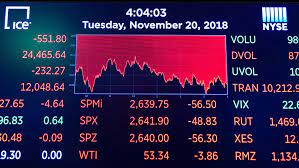
The US stock market is a dynamic and complex ecosystem that attracts investors from around the world. It serves as a barometer of the country’s economic health and provides opportunities for wealth creation. In this article, we will explore the current state of the US stock market, highlight key trends, discuss investment strategies, and address some frequently asked questions (FAQs) to help you navigate this exciting landscape.
Overview of the US Stock Market:
The US stock market is the largest in the world, comprising several major exchanges, including the New York Stock Exchange (NYSE) and the NASDAQ. It provides a platform for companies to raise capital by selling shares to investors, who can profit from price appreciation and dividends. The market is influenced by a multitude of factors, such as economic indicators, geopolitical events, and investor sentiment.
Recent Trends in the US Stock Market:
- a) Technological Innovation: The US stock market has experienced significant disruption and transformation due to technological innovation. Industries like e-commerce, cloud computing, and electric vehicles have witnessed exponential growth, driving up the value of associated companies.
- b) Sustainability and ESG Investing: Environmental, Social, and Governance (ESG) investing has gained prominence, with investors seeking companies that prioritize sustainability, social responsibility, and ethical governance practices. This trend reflects a shift in investor preferences towards long-term value creation and responsible business practices.
- c) Rise of Retail Investors: The emergence of commission-free trading platforms and social media communities has empowered retail investors to participate actively in the stock market. The phenomenon of “meme stocks” and the impact of online forums on stock prices have generated both excitement and concerns.
Investment Strategies in the US Stock Market:
- a) Long-Term Investing: Adopting a long-term investment strategy allows investors to benefit from the power of compounding and ride out short-term market fluctuations. Identifying fundamentally strong companies with a competitive advantage and holding them for the long term can generate attractive returns.
- b) Diversification: Diversifying one’s portfolio across different sectors, asset classes, and geographies helps mitigate risk. By spreading investments, investors can potentially minimize the impact of a single company or industry’s performance on their overall portfolio.
- c) Risk Management: Setting realistic expectations, conducting thorough research, and practicing disciplined risk management are vital for successful investing. It is important to define investment goals, assess risk tolerance, and establish stop-loss orders or exit strategies to protect investments from significant downturns.
Conclusion:
The US stock market continues to be a significant driver of economic growth and wealth creation. Understanding the current trends and adopting sound investment strategies are crucial for navigating this ever-evolving landscape successfully. By staying informed, diversifying portfolios, and maintaining a long-term perspective, investors can maximize their chances of achieving their financial goals in the US stock market.
FAQs:
- Is investing in the US stock market risky? Investing in the US stock market involves risks, as stock prices can be volatile and influenced by various factors. However, with careful research, diversification, and a long-term investment horizon, investors can mitigate risks and potentially achieve attractive returns.
- How can I start investing in the US stock market? To start investing in the US stock market, you will need a brokerage account. Research different brokerage firms to find one that suits your needs. Open an account, deposit funds, and start selecting stocks or exchange-traded funds (ETFs) based on your investment goals and risk tolerance.
Should I invest in individual stocks or opt for mutual funds/ETFs? Both individual stocks and mutual funds/ETFs have their pros and cons. Investing in individual stocks requires thorough research and analysis but offers the potential for higher returns.
