
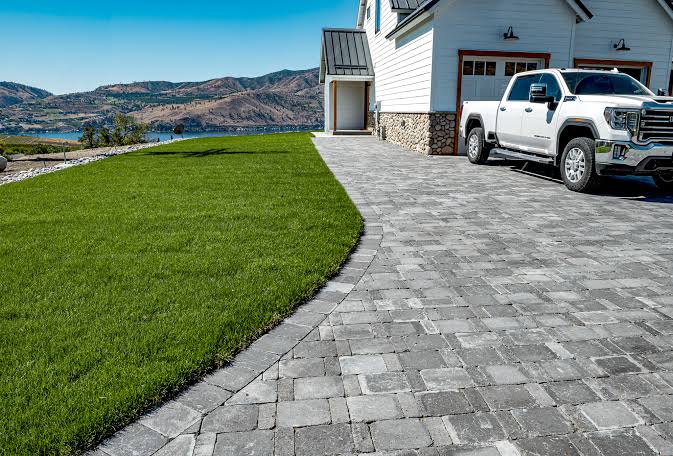
A driveway is an important part of a property’s exterior. It provides convenient vehicle access, creates a transition between the street and the building, and contributes to overall curb appeal. A properly installed driveway can improve everyday convenience while providing a durable surface for regular vehicle traffic. Need paving company Roanoke contact Wells Paving Services.
Driveway paving involves selecting appropriate materials, preparing the ground, installing a stable base, and creating a smooth finished surface. Understanding these steps can help property owners make informed decisions when planning a new driveway or replacing an existing one.
Why Driveway Paving Matters
A damaged or uneven driveway can create inconvenience and potential safety concerns. Cracks, potholes, loose gravel, and poor drainage may make parking and vehicle movement difficult.
Professional driveway paving helps create a more stable and attractive surface. It can also improve water management when the driveway is designed with suitable grading and drainage provisions.
For homeowners preparing to sell their property, an attractive driveway can contribute to a positive first impression.
Popular Driveway Paving Materials
Choosing the right material is one of the most important parts of a paving project.
Asphalt: Asphalt is commonly used because it creates a relatively smooth surface and can be suitable for residential driveways. It requires periodic maintenance to protect it from deterioration.
Concrete: Concrete offers a durable and versatile surface. It can be finished in different textures and colors, although installation and repairs require proper planning.
Pavers: Concrete or natural stone pavers create a decorative appearance. Individual units can often be replaced if damaged, making certain repairs more manageable.
Gravel: Gravel is a practical option for some properties, particularly longer rural driveways. However, it requires periodic grading and replenishment.
Each material has different installation costs, maintenance requirements, and performance characteristics.
The Driveway Paving Process
A professional paving project typically begins with an inspection and measurement of the existing area.
The contractor evaluates soil conditions, drainage, slope, access, and expected vehicle loads. This information helps determine the required base preparation and paving material.
The existing surface may need to be removed before excavation and grading begin. A properly compacted base is then installed to provide structural support.
After the base is prepared, the selected paving material is installed according to the manufacturer’s specifications and appropriate construction practices.
Finishing work may include edge restraints, joint treatment, drainage adjustments, and cleanup.
Why Proper Drainage Is Important
Water is one of the main factors that can contribute to driveway deterioration. When water collects on the surface or enters the underlying base, it can weaken the structure and contribute to cracking, settlement, or erosion.
A properly designed driveway should direct water away from buildings and prevent unwanted pooling.
Professional contractors evaluate slopes, surrounding surfaces, and drainage requirements before beginning installation.
Maintaining a Paved Driveway
Regular maintenance helps extend driveway service life. Remove dirt, leaves, and debris, and inspect the surface for developing cracks or drainage problems.
Asphalt driveways may benefit from appropriate sealcoating, while concrete surfaces should be maintained according to product recommendations.
Paver driveways may require joint sand replacement and occasional leveling.
Addressing minor problems early can help prevent more expensive repairs.
Choosing a Driveway Paving Contractor
Look for a contractor with relevant experience, a strong project portfolio, and clear communication. Request an estimate that identifies material specifications, site preparation, drainage work, labor, and expected completion time.
Ask about warranties, payment terms, and maintenance recommendations before signing an agreement.
Conclusion
Driveway paving is a valuable exterior improvement that can enhance property appearance, accessibility, and functionality. Selecting appropriate materials, preparing a stable base, and ensuring proper drainage are essential for a successful result. Professional installation and routine maintenance help create a driveway that remains attractive and dependable over time.
