
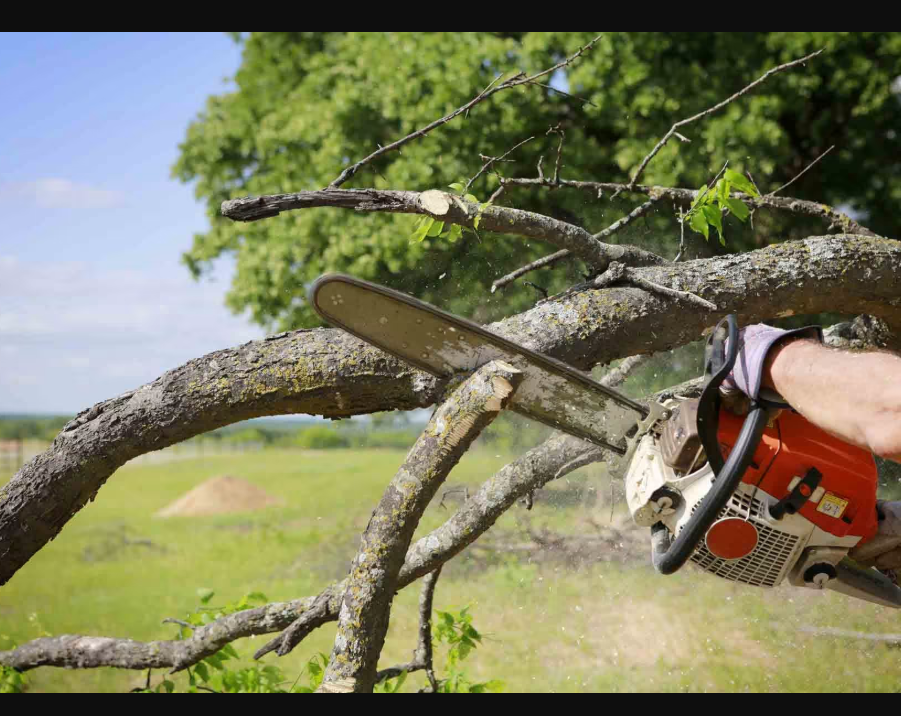
A tree can be a valuable part of a property, providing shade, privacy, and visual appeal. However, damaged, overgrown, or unstable trees can also create serious challenges.
Strong winds, heavy rain, storms, disease, and natural ageing can all affect a tree’s condition. In some cases, urgent action may be needed to remove a dangerous tree or branch you can take service easy by visiting https://www.okennedytreecare.ie.
A professional tree surgeon provides specialist services for tree management, including tree removal, crown reduction, forest clearing, stump grinding, and 24/7 emergency response.
Emergency Tree Problems Can Happen at Any Time
Tree-related emergencies are unpredictable.
A healthy-looking tree can be damaged during severe weather, while an already weakened tree may suddenly lose a branch or become unstable.
Common emergency situations include:
- A tree falling onto a property
- Large branches breaking unexpectedly
- Storm-damaged trees
- Trees blocking roads or driveways
- Dangerous branches hanging over access areas
- Partially uprooted trees
- Trees damaged by accidents
These situations should be handled carefully.
A damaged tree may be unstable, and attempting to cut or move it without proper equipment can increase the risk of injury or further property damage.
A 24/7 emergency tree surgeon service provides access to professional assistance when urgent tree work is required.
Professional Emergency Tree Removal
Emergency tree removal is different from routine tree maintenance.
The tree may already be damaged, leaning, partially fallen, or resting against another structure. This can make the work more complex.
A professional tree surgeon will typically assess factors such as:
- The tree’s stability
- The direction of the lean
- Damaged branches
- Nearby buildings
- Access to the site
- Obstacles around the tree
- Safe working areas
The removal method will depend on the situation.
In some cases, branches can be removed first to reduce weight and improve control. In other situations, sections of the trunk may need to be carefully dismantled.
The objective is to manage the situation as safely and efficiently as possible.
Tree Removal for Planned Projects
Not every tree removal is an emergency.
Property owners may need to remove a tree because it is dead, diseased, overcrowded, too close to a structure, or preventing a new project from moving forward.
Professional tree removal can support:
- Garden renovations
- Home extensions
- Landscaping projects
- Commercial development
- Improved access
- Land management
Before removal, the tree and surrounding area should be assessed to determine the safest and most appropriate method.
Depending on local regulations and the tree’s status, permissions or other requirements may apply, so property owners should check relevant local rules before work begins.
Crown Reduction for Better Tree Management
Removing a tree is not always necessary.
If the tree is generally suitable for retention but has become too large for its location, crown reduction may provide an alternative.
Crown reduction involves carefully reducing selected parts of the canopy.
This can help manage an overgrown tree while retaining its presence within the landscape.
Reasons to consider crown reduction include:
- Branches extending too close to buildings
- Excessive canopy growth
- Limited space
- The need to improve clearance
- Managing the size of a mature tree
Professional assessment is important because the best approach depends on the species, condition, structure, and location of the tree.
Forest Clearing and Large-Scale Tree Work
Forest clearing requires a different level of planning from removing a single tree.
A site may contain large numbers of trees, dense vegetation, undergrowth, fallen timber, and old stumps.
Professional clearing services can help prepare land for future projects while managing the work in an organised manner.
Forest clearing may be required for:
- Construction sites
- Development projects
- Agricultural land
- Access routes
- Landscape redesign
- Property maintenance
In some cases, selective clearing is the preferred solution.
This involves removing unwanted or problematic vegetation while retaining selected trees that provide environmental, visual, or practical value.
Stump Grinding After Tree Removal
Once a tree has been removed, the stump may still remain.
For some property owners, leaving the stump is acceptable. However, many people choose stump grinding to create a clearer and more usable space.
Stump grinding uses specialised machinery to reduce the stump below ground level.
This can be beneficial for:
- Lawn installation
- Landscaping
- Garden improvements
- Construction preparation
- Safer access
- Easier property maintenance
The ground can then be prepared according to the property’s future plans.
A Complete Tree Surgery Service
A full tree surgery service can manage the entire project from the initial assessment through to the final site clearance.
The process may include:
- Inspecting the tree or site.
- Identifying potential risks.
- Planning the work.
- Carrying out tree removal, crown reduction, or clearing.
- Processing branches and timber.
- Grinding the stump if required.
- Clearing the work area.
Having multiple services available through one provider can simplify larger projects.
For example, a customer who requires tree removal may also need stump grinding and site clearing. A landowner preparing a development site may require forest clearing followed by the removal of selected stumps.
Why Experience Matters in Tree Surgery
Tree work requires specialist knowledge and practical experience.
Every site presents different challenges. A tree in an open field is very different from a tree growing next to a house, road, fence, or utility infrastructure.
Experienced tree surgeons consider the tree itself and the surrounding environment before starting work.
Important considerations can include:
- Tree size
- Tree condition
- Access limitations
- Nearby structures
- Weather conditions
- Ground conditions
- Branch structure
- Safe equipment positioning
This planning helps create a controlled approach to the project.
Choosing a 24/7 Emergency Tree Surgeon
When choosing a tree service, it is useful to look for a company that can provide both planned and emergency services.
Key factors to consider include:
- Availability for urgent situations
- Experience with difficult tree removals
- Appropriate professional equipment
- Clear communication
- Insurance and relevant credentials
- Site assessment procedures
- Waste and debris removal options
A reliable tree surgeon should explain the proposed work and provide a clear understanding of what is included.
Conclusion
From routine tree maintenance to urgent storm damage, professional tree surgeon services play an important role in managing trees safely.
Tree removal can address dead, damaged, or unsuitable trees. Crown reduction can help manage excessive growth. Forest clearing can prepare land for construction, landscaping, or other future use. Stump grinding can remove the remaining obstacle after a tree has been taken down.
For unexpected situations, a 24/7 emergency response service can provide professional assistance when tree damage cannot wait.
Whether you need a single tree removed, a large area cleared, an unwanted stump ground down, or urgent help after a storm, working with a professional tree surgeon can provide a safer and more organised solution.
